

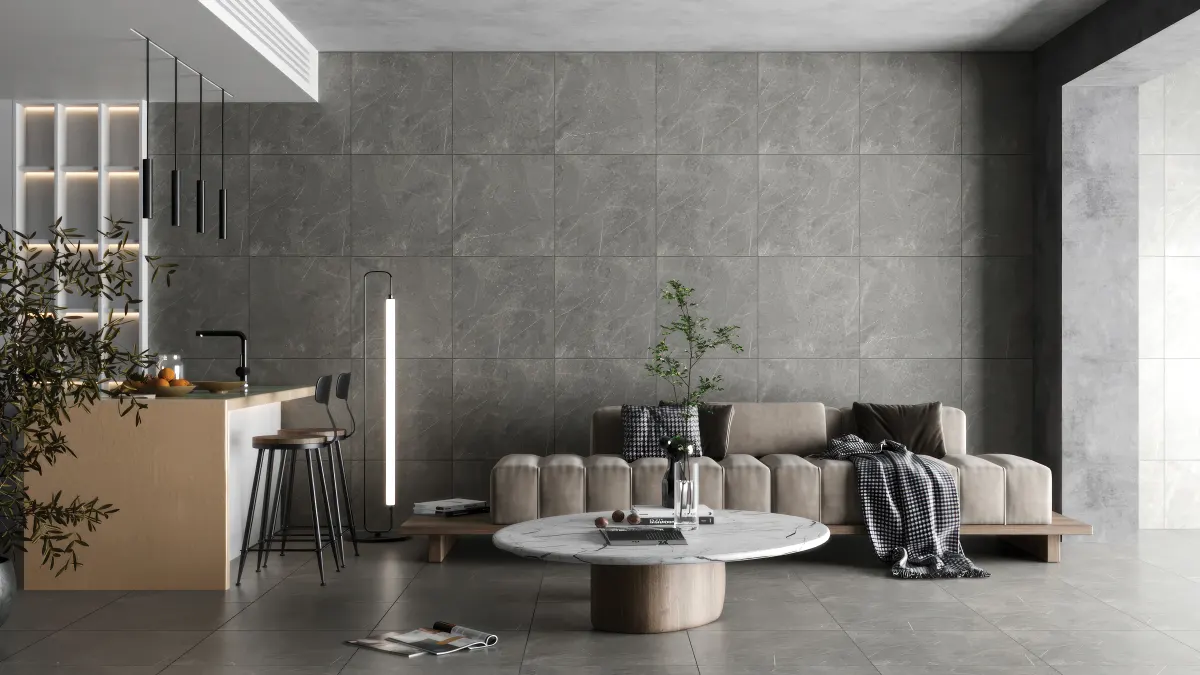
When planning a kitchen remodel, bathroom update, or entryway renovation, tile flooring remains one of the most durable and visually striking choices available. Known for its exceptional water resistance, ease of cleaning, and incredible variety of colors and textures, tile effortlessly bridges the gap between style and functional strength. However, when exploring showroom displays, homeowners are frequently faced with a foundational question: should you select porcelain tile or ceramic tile for your specific space? While both materials belong to the broader ceramic family, their manufacturing processes, density levels, and performance characteristics differ significantly.
Understanding the Ceramic Manufacturing Process
Traditional ceramic tile is crafted from a mixture of natural red or white clay, water, and minerals. Once shaped, the tiles are fired in kilns at moderate temperatures and coated with a durable glaze that provides color, pattern, and moisture protection. Because ceramic tile is slightly more porous than porcelain, it is easier to cut and shape during installation, making it an excellent choice for interior walls, backsplashes, and low-to-moderate traffic residential floors.
The Porcelain Advantage: Density and Waterproof Performance
Porcelain tile is actually a specialized subset of ceramic tile, but it is manufactured using finer, highly refined kaolin clay and feldspar. It is compressed under extreme pressure and fired at substantially higher temperatures. This intensive process results in a dense, glass-like body with an absorption rate of less than 0.5 percent water.
Because of this superior density, porcelain flooring is virtually impervious to moisture, making it the premier option for high-moisture zones such as walk-in showers, mudrooms, and outdoor patios subject to freeze-thaw cycles. Additionally, many porcelain lines feature "through-body" color, meaning the shade continues through the entire thickness of the tile. If a heavy object is accidentally dropped and chips the surface, the damage is far less visible than on a glazed ceramic tile.
Design Trends and Layout Possibilities
Modern manufacturing has brought breathtaking design innovations to tile flooring. Digital inkjet technology allows porcelain and ceramic tiles to realistically emulate natural hardwood planks, book-matched marble, slate, and industrial concrete. From classic subway tile patterns and intricate mosaics to large-format 24x48 slabs that minimize grout lines, tile allows for endless customization.
At Carpets Plus Outlet, our family-owned business prides itself on guiding local property owners toward smart flooring decisions tailored to their unique lifestyle needs. You can learn more about our history and our red-carpet service commitment by visiting our About Us overview.
When you are ready to evaluate physical samples and compare porcelain and ceramic options side by side, our experienced design team is here to assist. Find directions, hours, and store details on our Location page and visit our showroom today to start your home transformation.


