

Flooring shopping often comes down to one big question: which material gives you the most value for your money? Carpet, luxury vinyl, and laminate are three of the most popular flooring choices for homeowners, and each has its own strengths when it comes to cost, durability, and maintenance. Understanding the real differences between them can help you avoid overspending or ending up with flooring that doesn't hold up.
Carpet: Comfort at a Range of Price Points
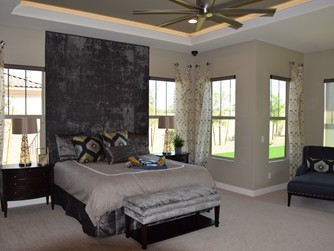
Carpet remains one of the most budget-friendly flooring options, especially when you consider room-sized remnants, which can often be bound or installed at a lower cost than wall-to-wall installations. Carpet also offers something vinyl and laminate can't fully replicate: softness and warmth underfoot. It's a natural insulator, helping rooms feel warmer in winter, and it absorbs sound far better than hard surfaces, making it ideal for bedrooms, living rooms, and multi-level homes where noise reduction matters.
The tradeoff is maintenance. Carpet requires regular vacuuming and periodic deep cleaning to stay fresh, and it's more vulnerable to staining than hard-surface alternatives.
Luxury Vinyl: The Waterproof Workhorse
Luxury vinyl flooring has surged in popularity because it delivers a premium look without a premium price tag. Since the surface pattern is printed rather than natural, you can choose from wood, stone, or tile looks that would be difficult or expensive to source in real materials. Structurally, luxury vinyl is built from multiple layers, including a composite core that makes it waterproof, which means even tough spills can't damage the floor underneath.
This makes luxury vinyl an excellent long-term investment for kitchens, bathrooms, and busy households with kids or pets. It typically costs more upfront than basic carpet but often costs less than natural hardwood or stone, while offering better durability against water damage.
Laminate: Durability That Resists Daily Wear
Laminate flooring is prized for its resistance to furniture indentations and scuff marks, making it a strong choice for high-traffic areas like hallways and living rooms. It uses an interlocking tongue-and-groove system and "floats" above the subfloor, which often simplifies installation compared to materials that need to be glued or nailed down. If the surface does get scratched or chipped, repair tools like fill pencils and heat knives can restore the look without a full replacement.
Laminate generally sits in a similar price range to mid-tier luxury vinyl, and the final cost depends heavily on the quality tier and thickness you choose.
So, Which One Actually Wins?
There's no universal winner — the right choice depends on your priorities:
If comfort and cost are the priority: carpet is hard to beat.
If water resistance and long-term durability matter most: luxury vinyl is the stronger investment.
If you want a hardwood look with strong scratch resistance at a moderate price: laminate is worth serious consideration.
Many homeowners actually mix materials by room, using carpet in bedrooms, luxury vinyl in kitchens and baths, and laminate in hallways or living areas, to get the best value across the whole house.
Making the Decision With Confidence
Pricing flooring correctly means factoring in installation, subfloor prep, and long-term maintenance costs, not just the price per square foot. A store with decades of hands-on experience can help you compare true value across materials rather than just sticker price. Learn more about the family behind that experience on our about us page.
Ready to compare samples side by side and get pricing that fits your budget? Visit our location to see carpet, luxury vinyl, and laminate options in person and talk through the best fit for your home.


